
The limestone landscape of Krzemionki is unique: it was formed over millions of years through a slow geological process, but was altered within a few hundred or even a few decades due to human mining. Today, most of the limestone is covered by vegetation. The development of limestone in these three contexts presents different states. Therefore, this project aims to create a reinterpreted landscape of limestone. The development of limestone has a rhythm - the rhythm of development in the natural process and the rhythm under human intervention. Therefore, through design, the ecological, geological and cultural processes of the limestone landscape interweave with each other, allowing its development rhythm to be observed and experienced.


Xuanru Li
The Rhythm of Limestone Landscape

Project description
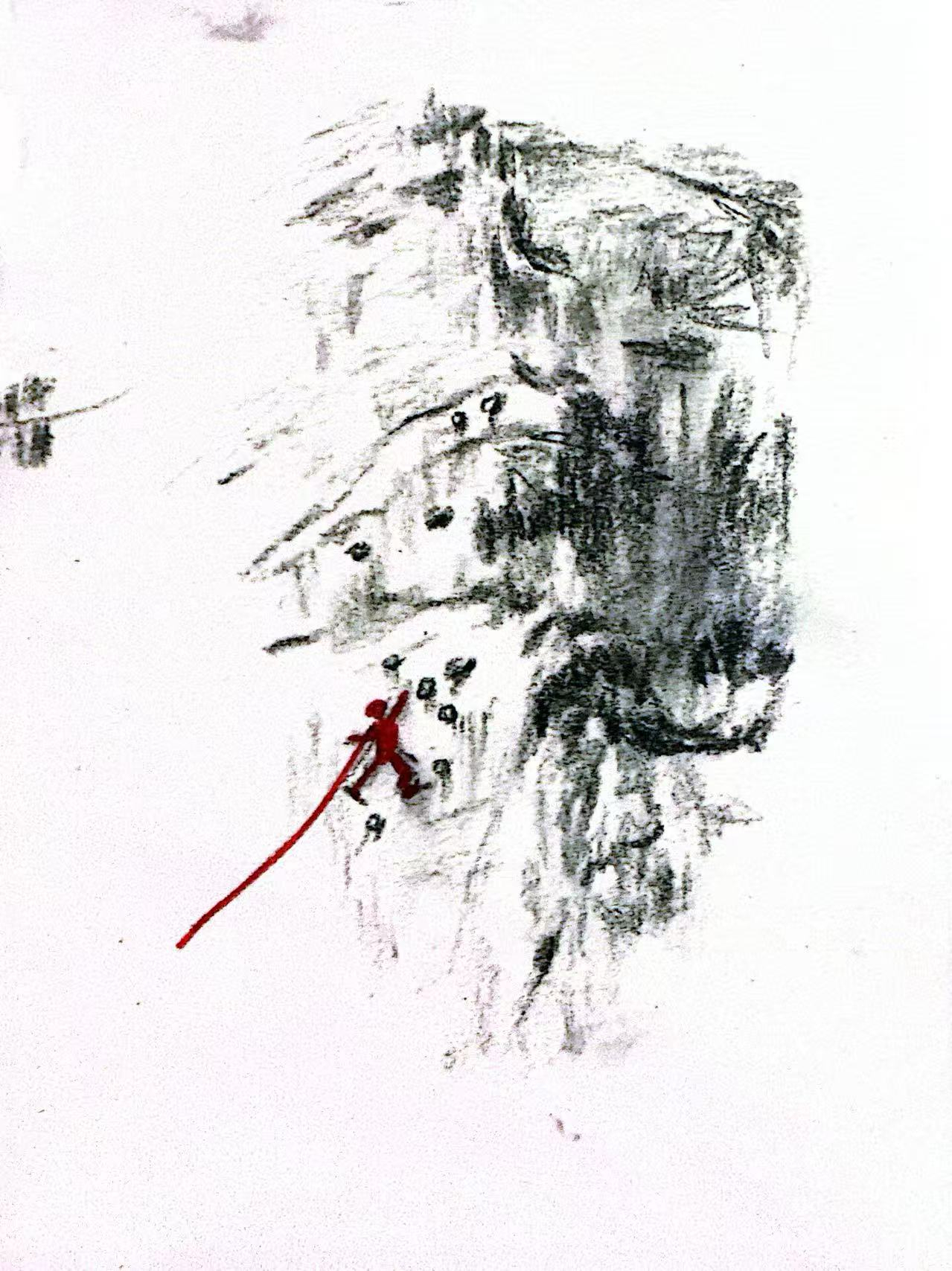
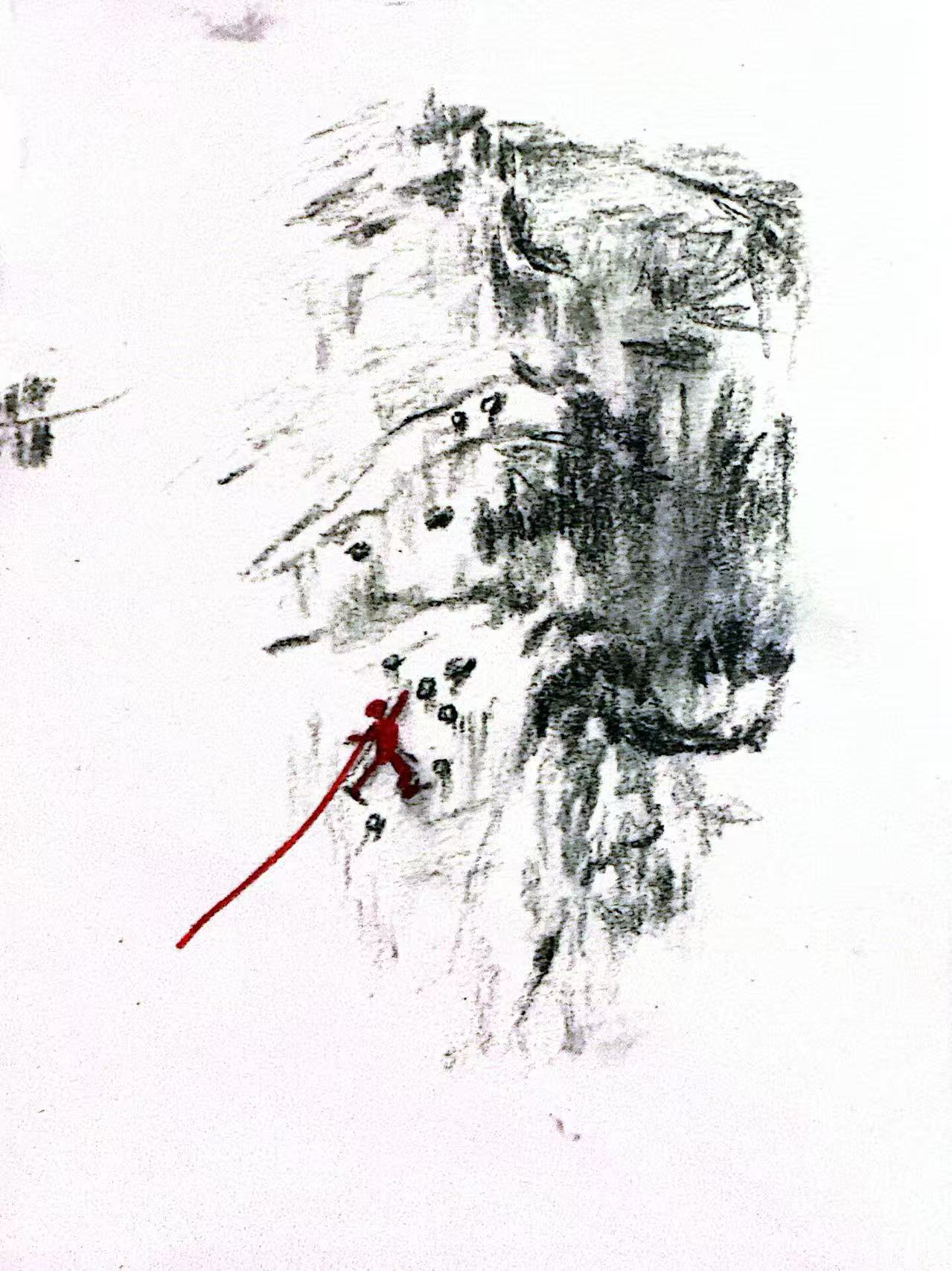
Field work sketches


The Problems of Existing Site
The entrance is not clear - The entrance of the quarry has many forked roads, and the guidance is rather poor.
Industrial heritages cover a small area - The industrial heritages are abandoned and occupy a small area. The lack of popular science education has led to tourists not understanding the background.
Sesonal water cover - When the seasonal water level reaches its peak, the area covered by water is extremely large. It may affect the walking experience.
The walkway is far away from the cliff - This is the only road that allows access to the limestone rock wall at the liban quarry. All other roads can only be used for distant viewing.
Walkway restrictions - Due to the lack of control over vegetation, some informal roads are almost completely covered by vegetation and thus impassable.

Model Thinking - Planting Strategies


Share: