Project description

Edinburgh’s urban sprawl towards the Firth of Forth has produced a 28-kilometre coastal edge rich in ecological and experiential potential. Despite this, development has historically been incremental, lacking an overarching spatial strategy which has resulted in a fragmented and incoherent landscape. This is particularly apparent between Cramond and Granton in the north west of the city.

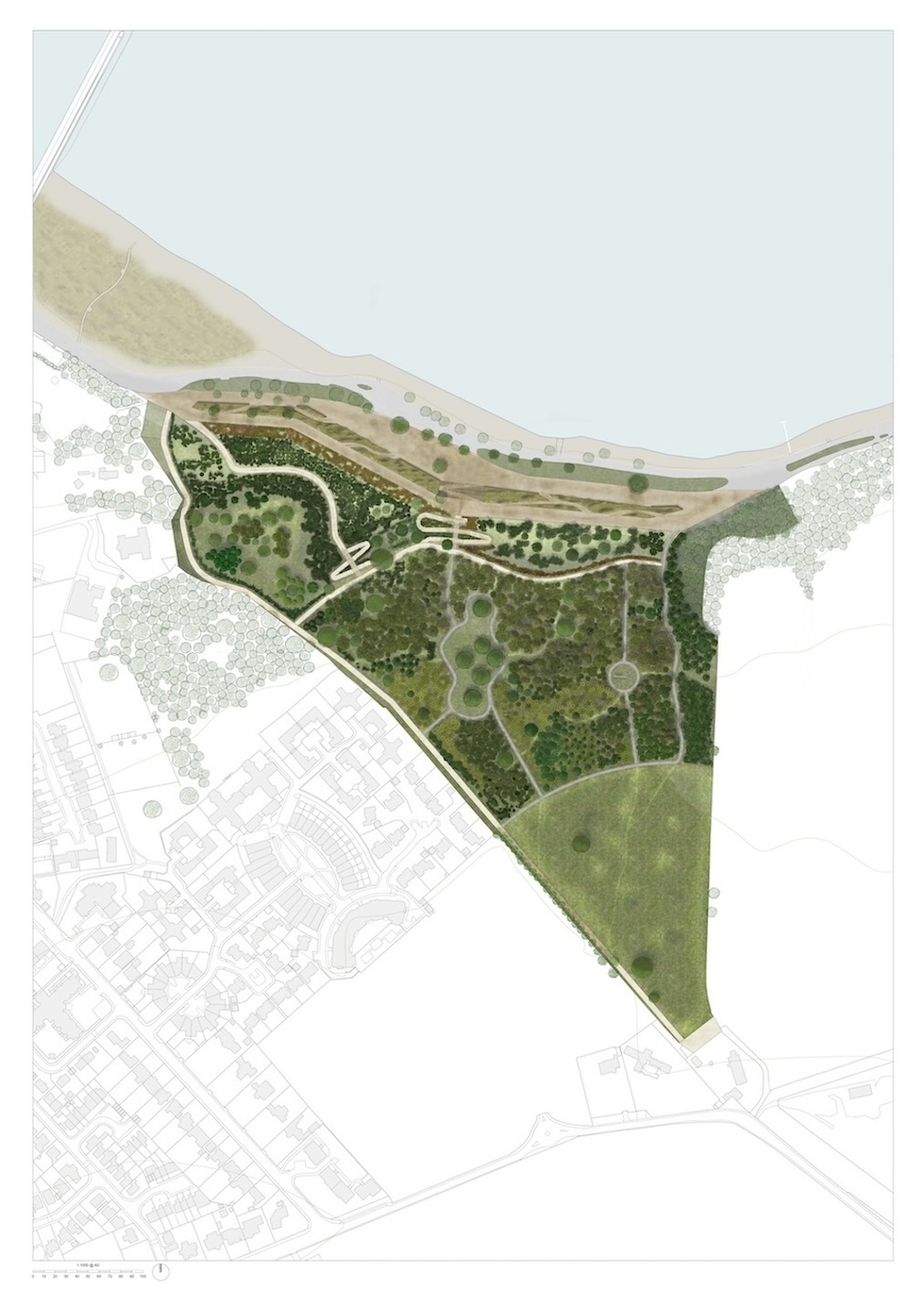
This project is the first phase of an adaptive and climate-resilient coastal park that transforms this fragmented coastal edge into a coherent and evolving landscape for humans and more-than-humans. The design connects directly into the existing promenade infrastructure and responds to the unique landscape systems and conditions. The proposal combines public park programme with an experimental woodland establishment strategy to develop a resilient landscape framework along one of Edinburgh’s coastal edges most vulnerable to climate change.

Designed to evolve through time, the proposal operates as both a public landscape and an experimental space, establishing a prototype for future coastal transformation along Edinburgh’s shoreline.

Drawing from precedents

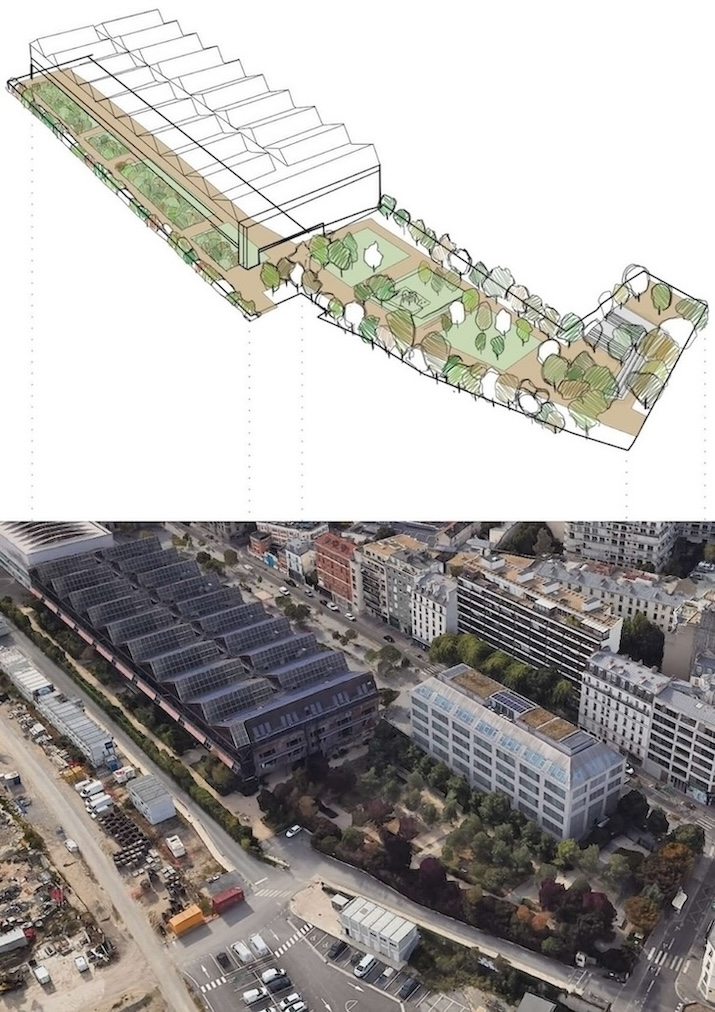
The park programme and layout has drawn on design principles from a number of parks in Edinburgh and Europe. Fieldwork in Paris and Edinburgh has explored user-led vs design-led approaches to programmes, and has allowed the design to learn from best practice of precedents. Further research on Park am Gleisdreieck in Berlin has informed the proposal's approach to movement, active edges and thresholds.

Working with dynamic systems

The site is shaped by challenging coastal conditions, including saline winds, exposure, poor soils, and arrested ecological succession, requiring the design to work with these dynamic systems rather than against them.

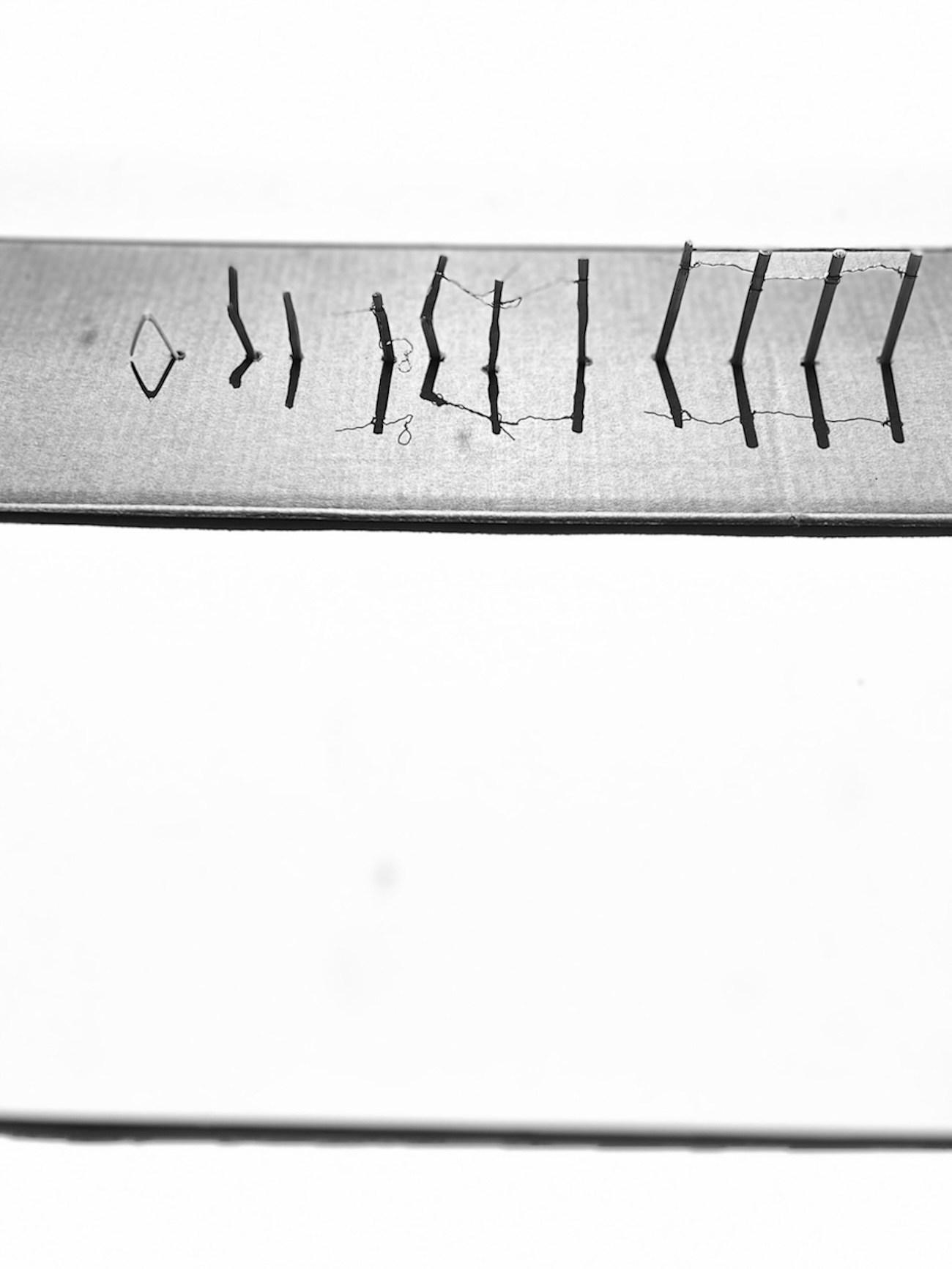
A network of windbreaks are proposed to address the exposed conditions of the coastal zone. Durable stone gabion walls and coated metal fins are located in areas requiring long-term resilience, while lighter timber and uncoated metal fin structures are placed at future thresholds into the woodland.

Over time, the exposed coastal environment gradually erodes the weaker shelter structures. This process of working with change allows the park to evolve spatially and ecologically, creating new opportunities for humans and more-than-humans to experience, explore, and inhabit the site.

Woodland establishment and growth

To address the challenge of establishing woodland within an exposed coastal environment, the proposal employs the Miyawaki planting method. Using a dense, multi-layered palette of 40 native species ranging from woodland floor planting to canopy trees, the strategy accelerates woodland establishment and shelter formation within poor soil and saline conditions. Drawing on precedents in Edinburgh and Maidstone, the approach enables rapid ecological succession and the gradual emergence of resilient woodland communities.

Site section - 3 years
Site section - 50 years